The first cold snap always seems to arrive a week earlier than expected. One morning the grass is green, and the next your windshield is covered in frost. A little preparation in the fall makes those first winter drives calmer and much less stressful.
Your Subaru already has a head start. Most models come with Symmetrical Full-Time All-Wheel Drive, which sends power to all four wheels all the time. Even so, every vehicle needs some seasonal care. This checklist walks you through the simple steps that get your Subaru ready for snow, ice and cold mornings.
Step 1: Switch to Winter Tires
Tires are the only part of your Subaru that touches the road. All-wheel drive helps you get moving and stay stable, but your tires do the work of gripping, turning and stopping. Winter tires use a softer rubber and deeper tread patterns built for cold temperatures, snow and slush.
Plan your tire swap before the first snowfall, since tire shops get busy fast. While your tires are being changed, ask the technician to check tread depth and look for uneven wear. Cold air also lowers tire pressure, so check your pressure often through the season. The correct pressure for your vehicle is printed on the label inside the driver's door jamb.
Step 2: Have Your Battery Tested

Cold weather is hard on batteries. An engine needs more power to start on a frosty morning, and a battery delivers less power when it's cold. A weak battery that worked fine in August can leave you stranded in January.
A quick battery test during a service visit tells you how much life is left. If the battery is near the end of its life, replacing it in the fall saves you from a no-start morning in a cold parking lot.
Step 3: Keep Your View Clear
Good visibility matters more in winter, when days are short and roads are covered in salt spray. Start with new wiper blades if your current ones streak or chatter. Fill the washer reservoir with a winter-rated fluid that won't freeze.
Many Subaru models include features that help you see clearly on winter mornings:
- Windshield wiper de-icer
- Heated, power-adjustable door mirrors
- Rear window defogger with timer
- LED headlights with High-Beam Assist (HBA)
Walk around the vehicle and make sure all headlights, tail lights and turn signals work. Wipe them clean often, since a layer of road salt dims your lights and makes you harder to see.
Step 4: Book a Fall Service Visit
A seasonal check-up is a smart way to catch small problems before the temperature drops. A technician can inspect your brakes, check your coolant and other fluids, and look over belts and hoses. If your oil change is coming due, take care of it during the same visit.
This is also a good time to think about rust. Subaru models are built with an anti-corrosion treatment, and many use dual-sided galvanized steel. A regular wash through the winter still helps keep salt from building up underneath.
Step 5: Learn Your Winter Driving Features
Your Subaru has helpful tools for slippery roads, and winter is the time to use them. Take a few minutes in an empty parking lot to get comfortable with them.
X-MODE comes standard on Ascent, Crosstrek, Forester and Outback models equipped with the Lineartronic CVT. At the push of a button, it manages engine output, the transmission, the AWD torque split and the brakes to help you through tough conditions. Select Crosstrek, Forester and Outback models offer a dual-function version with Snow/Dirt and Deep Snow/Mud settings. X-MODE uses more fuel, so save it for days when you need the extra grip.
X-MODE also includes Hill Descent Control. On steep, slippery hills below 20 km/h, it holds a steady speed and handles the braking so you can focus on steering. On the Forester, Auto Vehicle Hold keeps the vehicle in place when stopped, even on an incline, after you release the brake pedal.
Step 6: Pack a Winter Emergency Kit
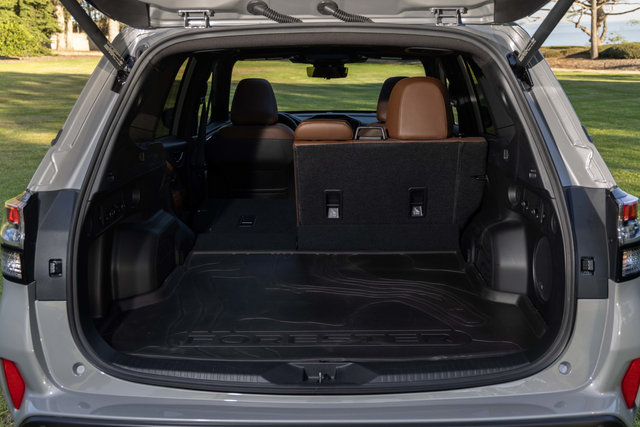
Even a short trip can turn long when a storm rolls in. Keep a small kit in your cargo area all season:
- Snow brush, ice scraper and a small shovel
- Booster cables and a flashlight
- Warm blanket, gloves and a hat
- Water and non-perishable snacks
Check the kit once a month and restock anything you've used.
Key Takeaways
|
Winter Task
|
Why It Matters
|
|
Install winter tires
|
Better grip for turning and stopping on snow and ice
|
|
Test the battery
|
Cold mornings demand more starting power
|
|
Replace wipers and add winter washer fluid
|
A clear view through snow, slush and salt spray
|
|
Book a fall service visit
|
Catch brake, fluid and belt issues early
|
|
Practise with X-MODE
|
Know your traction tools before you need them
|
|
Pack an emergency kit
|
Stay safe and warm if you get stuck
|
We're Here to Help in Orillia
Getting ready for winter doesn't have to be complicated. The service team at Subaru of Orillia can install your winter tires, test your battery and complete a full fall inspection in one visit. Book your winter service appointment with our team in Orillia, and head into the season with confidence.