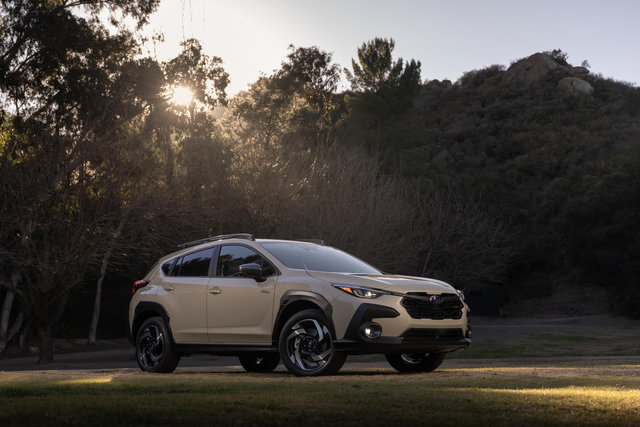
Every new Subaru sold in Canada today includes EyeSight Driver Assist Technology as standard equipment. That was not always the case. Over successive model generations, Subaru has expanded EyeSight from a two-camera system focused on forward-collision prevention into a multi-sensor platform that can now steer, brake, change lanes, and — on the 2026 Outback — drive hands-free on the highway at speeds up to 135 km/h. For drivers in Simcoe County who share the road with transport trucks on Highway 11 and navigate icy intersections through Orillia's downtown core, understanding how EyeSight has changed helps explain why newer generations respond faster and cover more scenarios than their predecessors.
This is not a simple software update from year to year. The hardware underneath the system has changed substantially, and the newest version on the 2026 Subaru Outback introduces sensors and safety responses that no previous Subaru has offered. Here is a closer look at how EyeSight has progressed across the current lineup and what the latest generation adds for Ontario drivers.
How EyeSight Works: The Core System
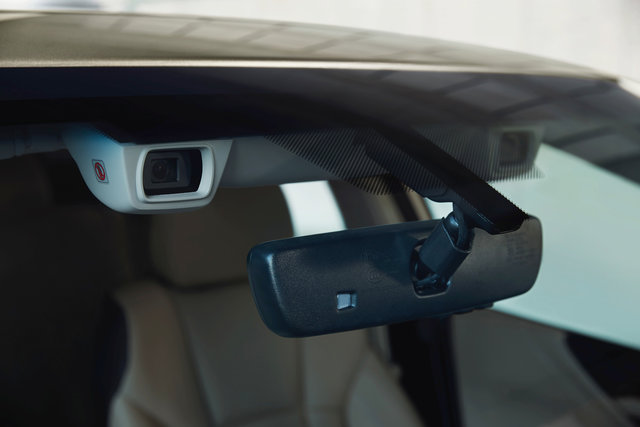
At its foundation, EyeSight uses forward-facing cameras to monitor the road ahead, identify vehicles, pedestrians, cyclists, and other obstacles, and provide braking or steering assistance when a potential collision is detected. The system also manages Adaptive Cruise Control and Lane Centring Assist, helping the driver maintain speed, distance, and lane position during highway driving.
Since its introduction, every Subaru model equipped with EyeSight has earned the highest possible front-crash prevention rating from the Insurance Institute for Highway Safety (IIHS) — a record that spans the Crosstrek, Forester, Outback, Ascent, WRX, Impreza, and Solterra.
The key functions that have been present across multiple EyeSight generations include Pre-Collision Braking, Pre-Collision Throttle Management, Adaptive Cruise Control, Lane Departure Warning, Lane Sway Warning, Lane Keep Assist, and Lead Vehicle Start Alert. These features form the baseline that every current Subaru owner can rely on.
|
EyeSight Core Function
|
What It Does
|
|
Pre-Collision Braking
|
Detects obstacles ahead and applies braking to help reduce impact severity or avoid contact
|
|
Adaptive Cruise Control
|
Maintains a set speed and adjusts automatically to keep a safe following distance
|
|
Lane Centring Assist
|
Helps keep the vehicle centred in its lane while Adaptive Cruise Control is active
|
|
Lane Departure Warning
|
Alerts the driver when the vehicle begins to drift toward a lane boundary
|
|
Pre-Collision Throttle Management
|
Reduces engine power if an obstacle is detected during acceleration
|
|
Lead Vehicle Start Alert
|
Notifies the driver when the vehicle ahead begins to move in stopped traffic
|
The Current Generation: Stereo Cameras Plus Wide-Angle Mono Camera
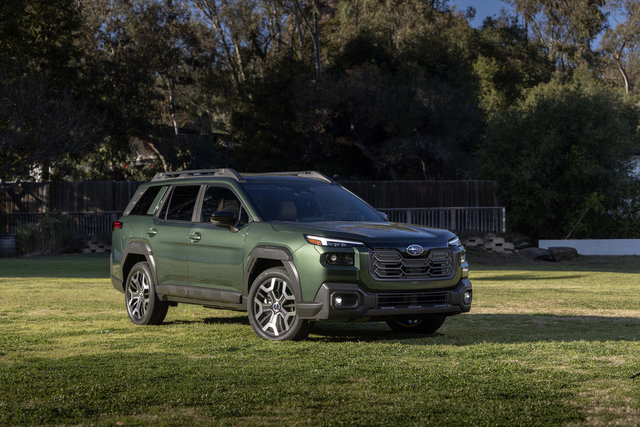
The version of EyeSight found on the 2025 Subaru Crosstrek, Forester, Outback, and Ascent introduced a meaningful hardware upgrade over earlier iterations. In addition to the stereo camera pair mounted near the rearview mirror, Subaru added a wide-angle mono camera. This third camera widened the system's detection zone to the left and right of the vehicle, improving the system's ability to spot pedestrians and cyclists approaching from the sides — a scenario that matters at busy intersections in downtown Orillia or along Barrie's Bayfield Street corridor.
This generation also introduced Automatic Emergency Steering on select trims, a feature that provides steering assistance alongside pre-collision braking to help the driver avoid a collision rather than simply reducing impact speed. Emergency Stop Assist was added on the 2025 Forester e-BOXER Hybrid and certain other models, enabling the vehicle to bring itself to a stop, activate hazard lights, and unlock the doors if the driver becomes unresponsive while using Adaptive Cruise Control.
Other enhancements in this generation include updated control software for smoother brake interventions and an electric brake booster on the Forester e-BOXER Hybrid that allows EyeSight to apply braking force more quickly and precisely. The system's ability to identify cyclists and pedestrians at intersections also improved, with the wider field of view enabling earlier detection and response.
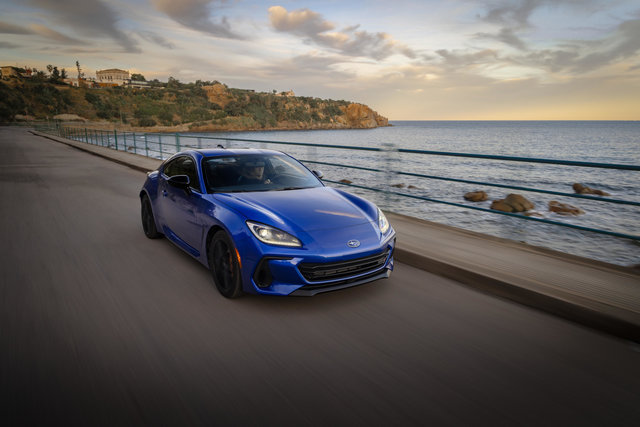
On the 2025 WRX, EyeSight uses a two-camera setup with an EyeSight Assist Monitor that projects alerts closer to the driver's natural sightline. While the WRX's configuration does not include the wide-angle mono camera, it retains the core Pre-Collision Braking, Adaptive Cruise Control, Lane Centring, and Emergency Automatic Steering functions that earned it an IIHS Top Safety Pick.
The 2026 Outback: EyeSight's Most Advanced Generation
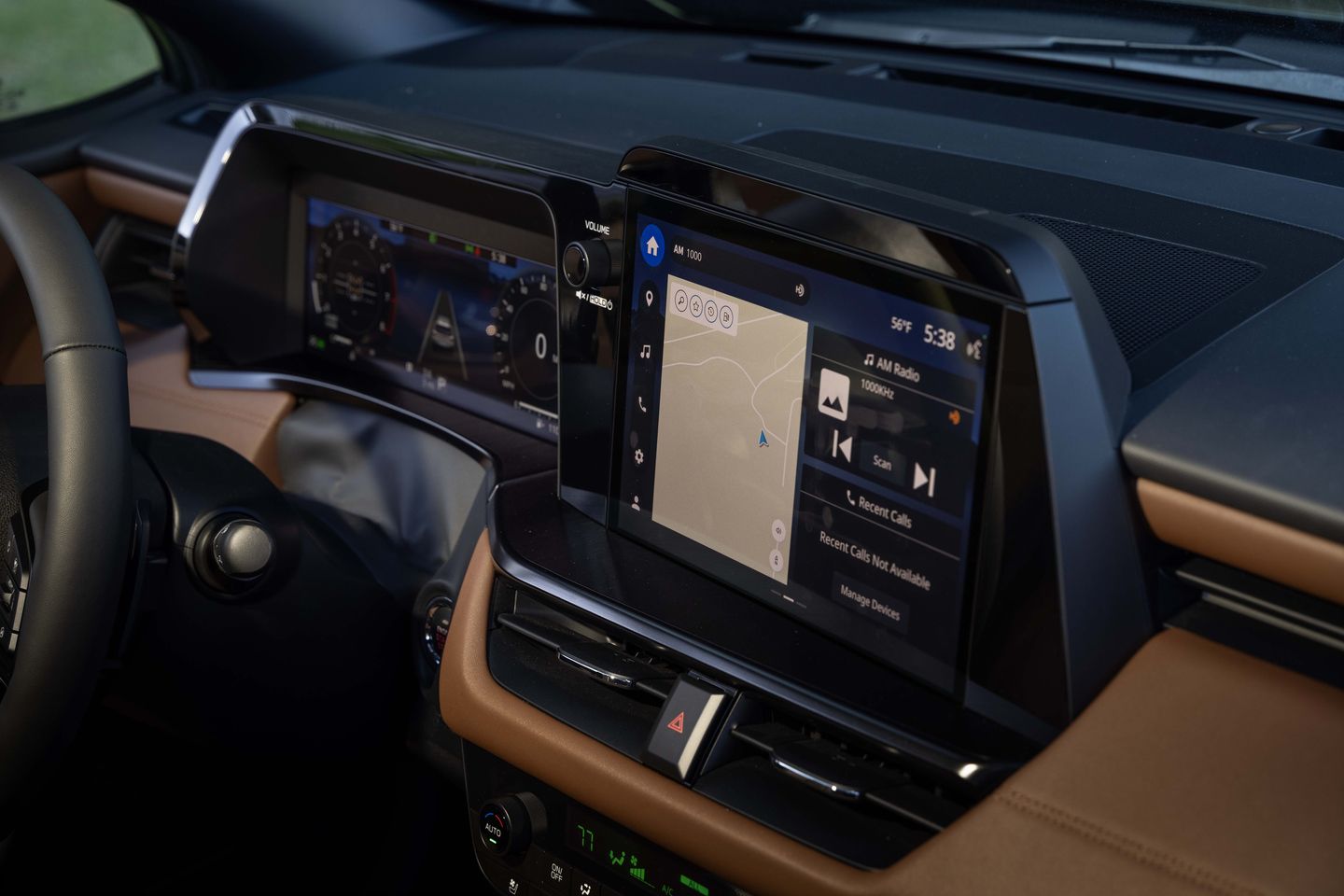
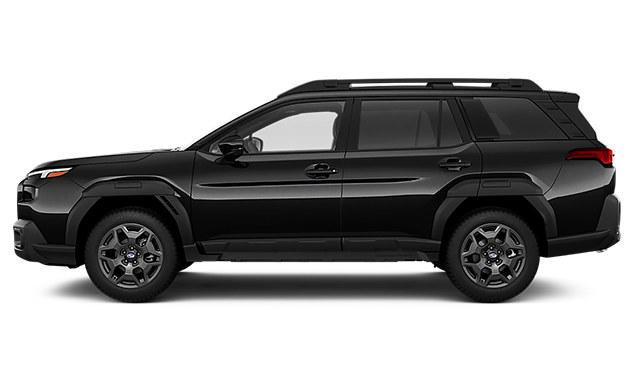
The seventh-generation 2026 Subaru Outback introduces the most substantial EyeSight upgrade to date. This version moves beyond the stereo-plus-mono-camera setup to a three-forward-facing-camera system paired with newly added radar sensors — the first time Subaru has incorporated radar into its EyeSight platform.
That hardware change enables a set of capabilities that were not available on any previous Subaru model.
Emergency Stop Assist with Safe Lane Selection is a first for Subaru. If the driver becomes unresponsive to repeated warnings while using Advanced Adaptive Cruise Control, the system can change lanes if needed, pull the vehicle over to the shoulder, activate the hazard lamps, notify emergency services, and unlock the doors for first responders. Earlier versions of Emergency Stop Assist could stop the vehicle in its current lane — the 2026 Outback's version adds the ability to navigate to a safer stopping position.
Highway Hands-Free Assist allows certain trims of the 2026 Outback to travel at speeds up to 135 km/h on designated highways with hands off the steering wheel, provided the driver maintains visual supervision. For drivers making the regular commute from Orillia to Barrie or Toronto along Highway 400, this feature can reduce fatigue on longer drives while the system manages steering, speed, and lane positioning.
Pre-Curve Speed Control works with Advanced Adaptive Cruise Control to slow the vehicle before entering a curve, helping maintain a comfortable and controlled speed without requiring the driver to brake manually. Highway Active Lane Change Assist and Highway Automatic Resume Assist round out the new highway-driving features, adding semi-automated lane changes and the ability to resume highway driving assistance after brief interruptions.
A new wider-angle mono camera within the three-camera array helps detect pedestrians and cyclists sooner than previous versions, while a standard haptic-feedback steering wheel delivers physical vibration alerts that reach the driver faster than audible warnings alone.
- Three forward-facing cameras plus radar: The most sensor-rich EyeSight system Subaru has produced
- Emergency Stop Assist with Safe Lane Selection: Navigates to the shoulder if the driver becomes unresponsive — a first for any Subaru
- Highway Hands-Free Assist up to 135 km/h: Driver-supervised hands-free highway driving on designated routes
- Haptic steering wheel alerts: Physical vibration warnings that supplement visual and audible cues
EyeSight Across the 2026 Electric Lineup
The 2026 Subaru Solterra, Trailseeker, and Uncharted each include a suite of EyeSight driver-assistance technologies adapted for their all-electric platforms. These include Pre-Collision Braking, Front Cross Traffic Alert, Blind Spot Monitors, Lane Departure Alert, a panoramic view monitor, Emergency Stop Assist, Traffic Jam Assist, Lane Change Assist, and Advanced Adaptive Cruise Control.
While the electric models share the EyeSight name and core philosophy, the 2026 Outback's three-camera-plus-radar configuration with Highway Hands-Free Assist and Safe Lane Selection currently stands as the most advanced version in the lineup. The EV models use their own calibrated sensor suites optimized for the weight distribution and driving characteristics of battery-electric platforms.
What EyeSight's Evolution Means for Ontario Drivers
Each generation of EyeSight has added layers of detection and response capability. Early versions could warn and brake. The current generation on 2025 models can steer, brake, and stop the vehicle. The 2026 Outback's version can change lanes, pull over, and call for help.
For drivers in Ontario — where winter whiteouts on Highway 11, black ice on rural county roads, and busy pedestrian crossings in Orillia's downtown are regular driving realities — these incremental improvements add up. A wider detection angle catches a cyclist entering an intersection from the side. Radar sensors maintain tracking in conditions where camera visibility alone may be limited. Haptic steering alerts reach the driver's hands before a chime reaches their ears.
Understanding how EyeSight has progressed also helps when comparing Subaru models. A 2025 Forester and a 2026 Outback both include EyeSight, but the Outback's version is a generation ahead in sensor hardware and autonomous response capability. That context is worth having when evaluating which Subaru fits your priorities.
Learn More at Subaru of Orillia
EyeSight is standard on every new Subaru, but the version you get depends on the model and model year. If you want to see how the latest generation works in practice — including the 2026 Outback's hands-free highway driving and Safe Lane Selection — visit our team right here in Orillia to learn more and experience it on the roads you drive every day.